

Pixel Speedway: Classic Dash
Trusted instant play — no download required.
Reviews
Pixel Speedway: Classic Dash strips racing down to its essentials. You steer, you dodge, and you try to survive. The pixel art is clean and nostalgic, and the increasing traffic keeps each run tense. There are no power-ups or distractions, just you and the road. It is perfect for short play sessions. The scoring system is simple but motivating. If you enjoy classic arcade challenges, this one delivers.
About this game
Core Driving Mechanics
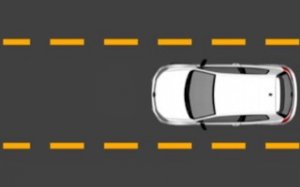
In Pixel Speedway: Classic Dash, you control a small vehicle moving across a multi-lane road. The controls are minimal: left and right inputs shift your car between lanes. There are no brakes or acceleration buttons. Your only task is to avoid the steady stream of other vehicles. Trucks, sports cars, and sedans appear in random formations. Some lanes may have multiple cars close together, requiring quick lane changes. The game rewards smooth, precise movements. Overcorrecting or panicking often leads to a crash. Each successful dodge keeps you moving forward, and the score counter ticks upward with every second of survival.
Visual Style and Atmosphere
The pixel art aesthetic is clean and vibrant. Each vehicle sprite is distinct, with bright colors that stand out against the dark asphalt road. The background scrolls horizontally, giving a sense of speed. Road markings and lane dividers are clearly drawn, helping you judge distances. The overall look is cheerful and nostalgic, reminiscent of arcade cabinets from the 1980s. There are no distracting effects or cluttered visuals. The focus stays on the road ahead. This simplicity helps players concentrate on the core gameplay loop.
Traffic and Hazard Patterns
Traffic density increases the longer you stay alive. Early runs feature sparse vehicles with plenty of gaps. As your score grows, cars appear more frequently and in tighter clusters. Oil spills add an extra layer of challenge. Driving over one causes your vehicle to slide sideways temporarily, making it harder to steer into a safe lane. These hazards are telegraphed by a dark patch on the road, giving you a split second to react. Learning to spot them early and plan your path around them is key to extending your run. The random nature of traffic ensures no two attempts feel identical.
Score System and Replay Value
Scoring is straightforward: each second of survival adds one point to your total. There are no multipliers or bonus items. The only goal is to beat your personal best. This simple structure encourages repeated attempts. You are not competing against other players or time limits. The challenge comes from your own desire to improve. Short play sessions fit well into busy schedules. You can pick it up for a few minutes, try a few runs, and put it down. The lack of complexity makes it easy to return to again and again.
Tips for Consistent Performance
To improve your runs, focus on anticipation rather than reaction. Watch the traffic ahead and identify gaps before you reach them. Small, gentle steering inputs are more effective than sharp turns. When you see an oil spill, plan your lane change early to avoid sliding into another vehicle. Taking a short break after a few attempts helps maintain focus. The game rewards patience and pattern recognition. Over time, you will naturally learn to read traffic flow more efficiently. Each new personal best feels earned through practice and concentration.








Player comments
Sign in to leave a review
You must be logged in before posting a rating or comment.
No account? Create one
No comments yet. Be the first to comment!